Winning the Boardroom Before the Ballot: A Strategic Approach to HOA Solar Approvals

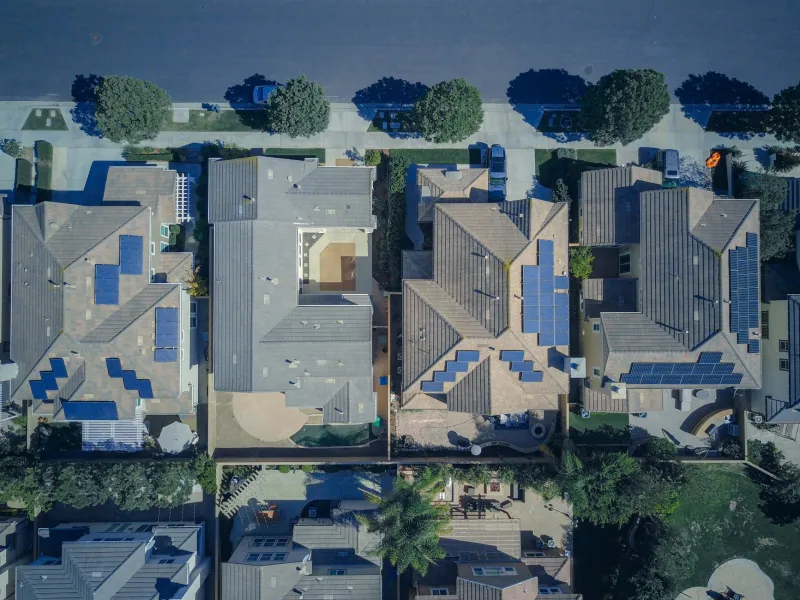
Photo: homeowner presenting solar panel plans at neighborhood HOA meeting, via www.moserbaersolar.com
The average residential solar installation passes through dozens of checkpoints: engineering reviews, municipal permits, utility interconnection queues. Yet for millions of Americans living in planned communities, the single most likely point of failure sits around a folding table at the monthly homeowners association meeting.
HOA architectural review committees deny solar proposals for reasons that often dissolve under scrutiny — aesthetic uniformity clauses, misread setback rules, or simple unfamiliarity with how modern panels look. The good news is that in most states, the law is on your side. The challenge is knowing how to use it.
Know What Your State Actually Says
Roughly 40 states have enacted some form of solar rights legislation, but the strength of those laws varies enormously. California's Solar Rights Act, for example, sharply limits an HOA's ability to reject installations and can obligate the association to pay the homeowner's legal fees if it loses. Arizona, Florida, Colorado, and North Carolina have their own versions with different thresholds.
Before you submit anything, pull your state's statute and your association's CC&Rs side by side. Many governing documents contain provisions that are flatly unenforceable under state law — blanket prohibitions on panels visible from the street, for instance, frequently conflict with solar access statutes. Boards sometimes deny applications simply because no one has challenged the language in twenty years.
Submit the Application They Can't Refuse
Denials often stem from incomplete or vague submissions. A strong application anticipates the committee's concerns before they're raised:
- Professional renderings showing panel placement from the street-facing view, not just aerial diagrams
- Product specification sheets demonstrating that you selected low-profile, all-black modules where feasible
- A written plan for conduit routing that keeps wiring concealed rather than running across the roofline
- A copy of the relevant state statute, cited precisely, with the sections limiting the HOA's authority highlighted
Several major installers maintain dedicated HOA liaison teams that will prepare this packet for you at no charge. Use them. A board member reviewing a thick, professional folder behaves very differently than one squinting at a cell-phone photo.
The Meeting Itself: Persuasion Over Confrontation
If your state law gives you leverage, resist the temptation to open with it. Boards are volunteer neighbors, and a legal threat in the first minute tends to harden positions. A more effective sequence looks like this:
- Lead with shared values. Property values, energy resilience during outages, and rising utility costs are concerns every homeowner at the table shares.
- Offer compromises that cost you little. Agreeing to recessed mounting, a specific panel color, or concealed conduit signals good faith and gives the committee something to approve.
- Introduce the statute last, and politely. Framing matters: "I want to make sure the board is protected, since state law limits what conditions we can apply here" lands very differently than "you can't stop me."
It also helps to recruit allies. If even one other household in the community has contemplated solar, a coordinated show of interest reframes your request from a personal exception into a policy question the board must handle carefully.
When the Denial Comes Anyway
Some boards will deny a fully compliant application regardless. In that case, document everything: minutes, written denial reasons, and all correspondence. Most state statutes impose a deadline — often 30 to 60 days — for the association to respond, and a missed deadline can itself constitute approval. From there, options range from a formal appeal within the association to mediation, a demand letter from an attorney, or in states like California and Florida, recovery of legal fees.
Rarely does it get that far. In practice, the majority of solar disputes with HOAs end at the application stage — decided not by the strength of anyone's argument, but by the quality of the preparation behind it.