When the Board Says No: A Field Guide to Solar Access Laws and the Homeowners Who Rely on Them
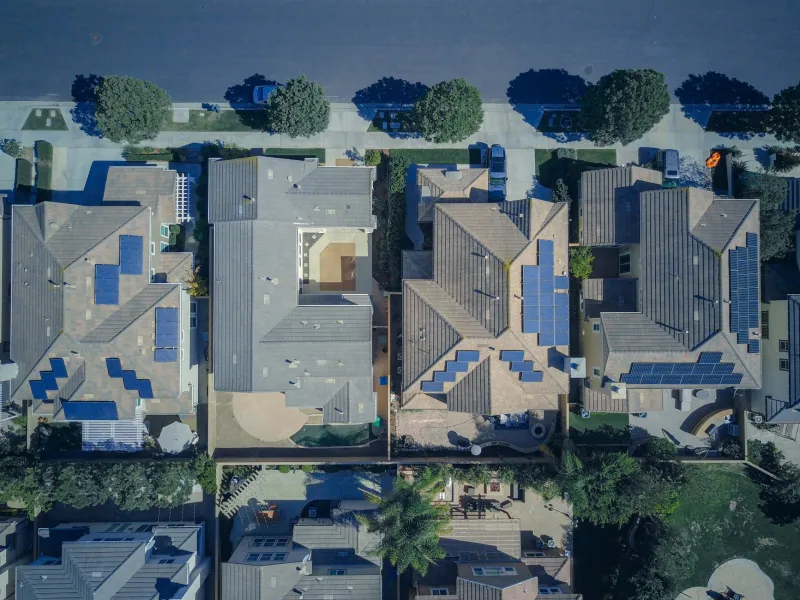
It is one of the more surreal moments in American homeownership: a resident stands before their association board, proposes a home improvement that lowers utility bills, raises property value, and aligns with state energy policy — and the board votes it down over aesthetics.
It happens more often than most people realize, and the reason it does not happen even more often is a patchwork of state statutes known collectively as solar access laws. Understanding them is the difference between a smooth installation and a two-year fight.
What Solar Access Laws Actually Do
Roughly 40 states have some form of solar rights or solar easement legislation, but the strength of these protections varies enormously. At one end sit states like California, where the Solar Rights Act (Civil Code Section 714) goes further than almost any statute in the country: HOAs must approve installations that meet reasonable requirements, and associations that unreasonably deny them can be liable for the homeowner's attorney's fees. Boards may impose aesthetic conditions, but those conditions cannot significantly increase cost or decrease efficiency — a prohibition that effectively bans requirements to relocate panels to a less visible roof plane that receives less sun.
Florida's counterpart is equally direct. The state's solar access statute voids any deed restriction that prohibits "solar collectors," and Florida courts have enforced it against associations that tried to frame panels as unauthorized modifications.
Texas takes a different structural approach: property codes bar HOAs from including or enforcing provisions that ban solar energy devices, though boards retain authority over placement and can require mitigation of visibility from the street under limited conditions.
Where the Law Is Silent, the Fight Gets Ugly
Then there are the states without meaningful protection. In much of the Southeast and parts of the Mountain West, an association can refuse an installation for any reason or none at all. Homeowners in these jurisdictions face a harder calculus: pursue a solar easement negotiated with the association, attempt to build board-level consensus, or accept the restriction.
Even in strong-protection states, enforcement is not automatic. Associations still send denial letters citing "architectural harmony" or "community character," betting — often correctly — that the homeowner will not litigate.
A Practical Playbook for the Confronted Homeowner
If your HOA has denied or stalled an application, the sequence matters:
First, request the denial in writing, citing the specific covenant or architectural guideline at issue. Vague verbal denials are difficult to appeal; documented ones are easy to dismantle, especially where the statute requires the board to justify any efficiency-reducing condition.
Second, anchor your response in the statute, not in sentiment. A useful script for a first appeal letter in a protected state: "Per [state statute], the association may not impose conditions that increase the cost of the system or decrease its efficiency. The proposed relocation to the rear roof plane would reduce estimated annual production by approximately 22%, per the attached shade analysis. We request approval as submitted, or written identification of a condition consistent with statutory limits."
Third, make the economics visible to the board. Boards respond to risk. A polite letter noting that an unreasonable denial in a fee-shifting state exposes the association to the homeowner's legal costs reframes the vote from aesthetics to liability.
Fourth, offer cosmetic concessions that cost you nothing in output. Matching panel layout to rooflines, choosing all-black modules, and concealing conduit are legitimate compromises that frequently end disputes without touching production.
Our View
Solar access laws represent a sensible policy judgment: distributed energy is a public good, and a private association should not be able to veto it for taste. But statutes only protect the homeowners who know they exist. If you are considering solar and live under an association, read your state's solar access provision before you read your installer's contract. In our experience, the homeowners who prevail are not the loudest — they are the ones who arrive at the board meeting with the statute printed out and the shade analysis attached.