The Foundation Question: Why Roof Condition Should Be Settled Before Solar Contracts Are Signed

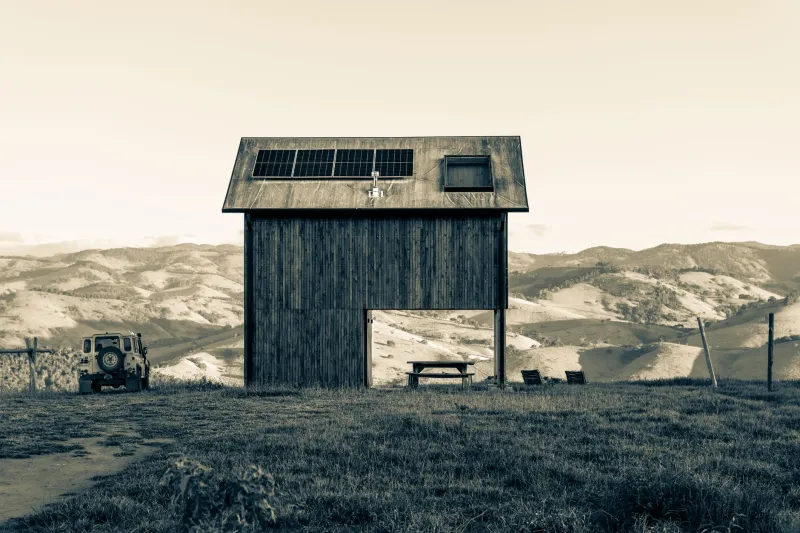
Photo: roofer inspecting asphalt shingle roof before solar panel installation, via solarroofingguide.com
Every photovoltaic installation rests on a surface with a shorter lifespan than the equipment mounted to it. Panels carry performance warranties of 25 years or more. Asphalt shingle roofs, the most common substrate in American residential construction, typically last 20 to 30 years under favorable conditions — and considerably less in hail-prone or high-heat climates. When a roof reaches the end of its serviceable life beneath a functioning array, the panels must come off before the shingles can go on.
Why the Sequencing Matters Financially
Removing and reinstalling an array is not a trivial expense. Depending on system size, inverter configuration, and local labor rates, a professional decommission-and-reinstall job commonly runs between $1,500 and $5,000, and some contractors add standby costs if the roof work stalls. During the removal window, the system produces nothing, and warranty coverage on the original installation may be voided unless the same installer performs the work.
Contrast that with the cost of addressing the roof first. If shingles are already due for replacement, adding the solar project afterward means paying for roof work once and mounting hardware once. If both projects happen simultaneously, the mounting crews can coordinate flashing and attachment points directly with the roofing crew, which is the ideal scenario for weatherproofing.
Assessing What You Have
Homeowners should evaluate three things before signing an installation contract:
Age and material. Asphalt composition shingles installed more than 15 years ago deserve professional inspection. Metal and standing-seam roofs routinely outlast the panels themselves. Tile roofs require specialized mounting and add installation cost regardless of age.
Condition indicators. Curling or cupping shingle edges, granule loss collecting in gutters, daylight visible in the attic, and repeated leak repairs all point toward limited remaining life.
Structural capacity. A structural assessment is standard practice, but it is worth confirming that rafters and decking can carry the added dead load — typically two to four pounds per square foot — plus any snow accumulation in northern climates.
A reputable installer will raise roof condition during the site survey. One who doesn't should prompt a second opinion.
The Cost Math of Re-Roofing Around an Array
Some homeowners opt to re-roof only the sections surrounding the panels, deferring the rest. This rarely pencils out. Roofing contractors charge mobilization minimums, and splitting the job means paying twice for setup, disposal, and permitting. Unless the array covers a small, well-defined section, whole-roof replacement at the time of installation is almost always the more economical path.
There is also a warranty dimension. Most shingle manufacturers will not honor coverage where attachments penetrate the roof plane without approved flashing methods. Coordinated installation — roofing crew and solar crew working from the same plan — protects both the roof warranty and the solar workmanship warranty.
Timing Strategies Worth Considering
Homeowners facing an aging roof have several practical options:
- Replace first, install second. Cleanest for warranties, though it delays energy savings by a season.
- Coordinate both trades in one project window. Some full-service firms handle roofing and solar together, which simplifies accountability.
- Install now, budget for future removal. A defensible choice when the roof has 15 or more years of life left, provided the homeowner sets aside funds for the eventual decommission.
The worst outcome is the unplanned one: a leak appearing eight years into a 25-year system, forcing an emergency removal at premium rates. A modest amount of planning converts that scenario into a scheduled, inexpensive project. The roof is not a detail of a solar installation — it is the part of the installation you cannot see from the monitoring app, and it deserves the same diligence.