The Full Price of Solar: Expenses Most Contractors Won't Mention Until It's Too Late
The promise of solar energy is genuinely compelling. Lower monthly utility bills, a reduced carbon footprint, and long-term energy independence are real benefits that millions of American homeowners have already realized. Yet for every satisfied solar customer, there are others who felt blindsided — not by the technology, but by the financial details that were glossed over during the sales process.
At Team Solar Works, we have built our reputation on honest consultation. That means having the conversations that are sometimes uncomfortable, because we believe an informed client is ultimately a satisfied one. This article walks through the costs that frequently surface during or after a solar installation — expenses that deserve a place in every homeowner's budget before a single panel is mounted.
The Sticker Price Is Just the Starting Point
Most solar proposals you receive will quote a system cost that covers the panels, inverter, racking hardware, and basic installation labor. That number can look impressive on paper, especially after federal tax credit projections are applied. What it often does not include, however, are the site-specific expenses that only emerge once a qualified technician actually assesses your home.
Think of it this way: a solar proposal is like a quoted price for a kitchen renovation that assumes the plumbing and electrical are already up to code. Sometimes they are. Frequently, they are not.
Electrical Panel Upgrades: A Commonly Overlooked Necessity
One of the most consistent hidden costs in residential solar installations is the electrical panel upgrade. Many American homes — particularly those built before the 1990s — operate on 100-amp service panels. Modern solar systems, especially those paired with battery storage or electric vehicle chargers, typically require a 200-amp panel to function safely and efficiently.
The cost of a panel upgrade can range from $1,500 to $4,000 depending on your location, the complexity of the work, and local labor rates. In some municipalities, upgrading the panel also triggers a mandatory inspection of the home's broader electrical system, which can surface additional compliance requirements.
A contractor who is eager to close a deal may not volunteer this information upfront. At Team Solar Works, our pre-installation assessments include a thorough review of your existing electrical infrastructure so that no one is surprised by a five-figure change order after the contract is signed.
Roof Condition and Structural Readiness
Solar panels are designed to last 25 to 30 years. If your roof has only five years of serviceable life remaining, installing panels on it is a decision you will likely regret. Removing and reinstalling a solar array to replace the underlying roof typically costs between $1,000 and $2,500 — sometimes more for larger systems — and that expense is rarely covered by either the roofing or solar warranty.
Beyond shingle condition, the structural integrity of the roof deck and rafters matters enormously. Solar panels add weight, and older homes may require reinforcement before installation can proceed safely. A reputable installer will flag these issues. Not every contractor does.
If your roof is aging, it may actually make financial sense to replace it before going solar, even if that means delaying your installation by a season. We help our clients model both scenarios so they can make the decision that serves their long-term interests.
Permit Fees and Utility Interconnection Costs
Every solar installation in the United States requires permits. The cost of those permits varies considerably by jurisdiction — from as little as $100 in some rural counties to well over $500 in certain urban markets. Some cities also require separate structural and electrical permits, effectively doubling the administrative cost.
Beyond municipal permits, connecting your system to the grid requires approval from your local utility company. This interconnection process can involve application fees, engineering reviews, and in some cases, required upgrades to the utility's own equipment — costs that may be passed on to you. The timeline for interconnection approval ranges from a few weeks to several months depending on the utility and the region.
Ask any installer you are evaluating to provide a written breakdown of all anticipated permit and interconnection fees before you sign anything.
Homeowners Insurance Adjustments
Adding solar panels increases the replacement value of your home, which means your homeowners insurance policy should be updated to reflect that change. Some insurers automatically extend coverage to permanently attached structures like solar arrays; others require a rider or policy adjustment that carries an additional premium.
The annual increase is typically modest — often between $50 and $150 per year — but it is a real cost that belongs in your financial model. Failing to update your policy could leave you underinsured in the event of storm damage or fire.
Maintenance Contracts and Long-Term Servicing
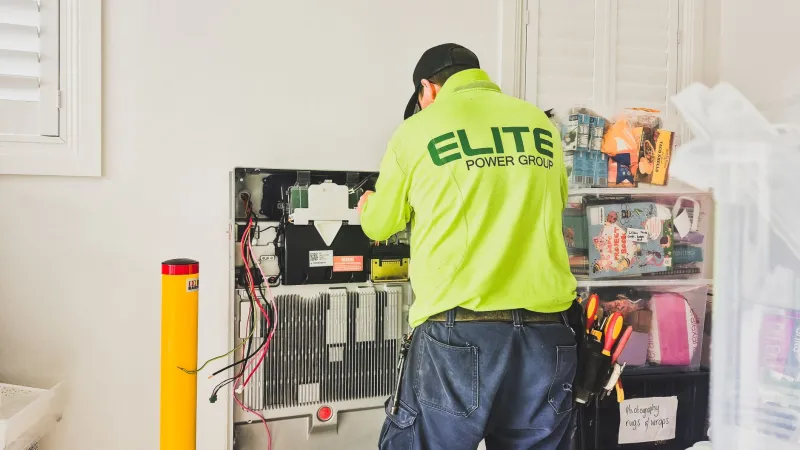
Solar panels themselves are relatively low-maintenance, but they are not maintenance-free. Inverters — the devices that convert the direct current your panels generate into the alternating current your home uses — have a lifespan of roughly 10 to 15 years. Replacing an inverter typically costs between $1,000 and $2,000.
Some installers offer extended maintenance contracts that cover inverter replacement, panel cleaning, and system monitoring. These contracts provide peace of mind but carry their own annual cost. Others offer no post-installation support whatsoever, leaving homeowners to navigate warranty claims and service calls independently.
When evaluating installers, ask specifically what happens after the system is commissioned. Who monitors performance? Who handles warranty claims? What is the process if a panel underperforms or fails? The answers will tell you a great deal about the company's long-term commitment to your project.
Tree Trimming and Shading Mitigation
Shading is the enemy of solar efficiency. If mature trees on your property — or on a neighbor's property — cast shadows across your roof during peak sunlight hours, your system's output will be meaningfully reduced. Addressing this may require professional tree trimming or, in some cases, the removal of trees entirely.
Tree removal costs vary widely, but significant work can run from several hundred to several thousand dollars. This is a cost that belongs in your pre-installation planning conversation, not in a surprise invoice after your system underperforms its first-year projections.
Making a Fully Informed Decision
None of this is intended to discourage the pursuit of solar energy. The long-term economics remain compelling for the vast majority of homeowners, and the environmental case for clean energy generation is only growing stronger. The point, rather, is that the decision deserves the same rigor you would apply to any major home improvement investment.
At Team Solar Works, our consultation process is designed to surface all of these variables before you commit. We provide itemized cost breakdowns, realistic payback timelines that account for site-specific factors, and honest assessments of your home's readiness. We would rather lose a sale to a home that is not yet ready than install a system that disappoints.
If you are considering solar and want a conversation grounded in full transparency, reach out to our team. We are here to help you make the right decision — not just a fast one.