Before the For Sale Sign Goes Up: untangling solar ownership from your home sale

Photo by Photo by Gary Cole on Unsplash on Unsplash
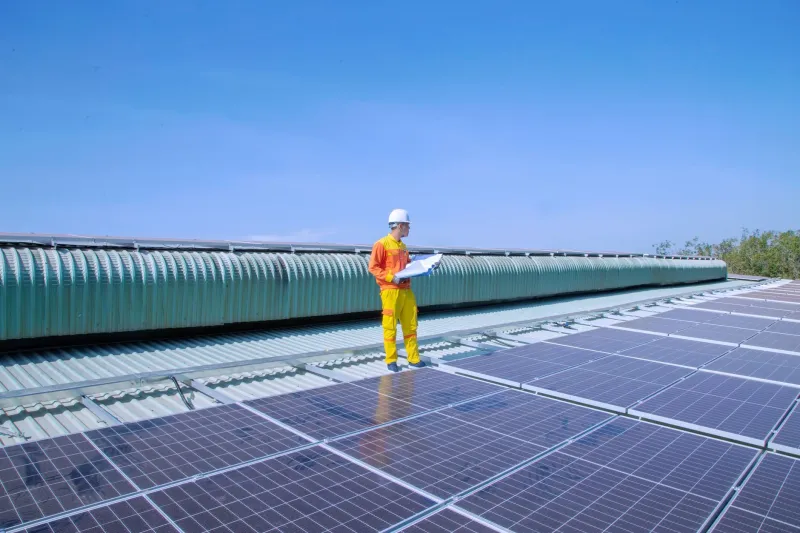
A rooftop array that lowered your electric bill for a decade can complicate a home sale if the details aren't sorted out early. Appraisers, lenders, and buyers all interact with solar differently depending on whether the system is owned outright, financed through a loan, or held under a lease or power purchase agreement. Understanding where your installation falls on that spectrum is the first step toward a smooth transaction.
Start With the Ownership Question
The single most important document in a solar-related home sale is the system's ownership record. A purchased system — whether paid in cash or through a loan that has been satisfied — is treated like any other capital improvement. It typically adds value, transfers with the deed, and requires no special handling at closing.
Financed systems introduce a lien. If a UCC-1 financing statement was filed against the equipment, that lien must be released or formally assumed by the buyer before most title companies will issue a clean policy. Request a payoff statement from your lender as soon as you list; waiting until the week before closing is a common and avoidable delay.
Leases and power purchase agreements are the most complex. These are contracts with a third party, usually running 20 to 25 years, and the buyer must qualify to assume the agreement. Some buyers welcome the arrangement; many walk away from it. Sellers in this position should contact their provider early to review buyout options, transfer fees, and credit requirements for assumption.
How Appraisers and Buyers See Solar
Appraised value for owned systems has become more consistent as appraisal standards have matured, but results still vary by market. In regions with strong solar adoption — California, Arizona, parts of Texas and the Northeast — appraisers are more likely to apply a documented premium. In markets where arrays remain uncommon, the adjustment may be modest or omitted entirely.
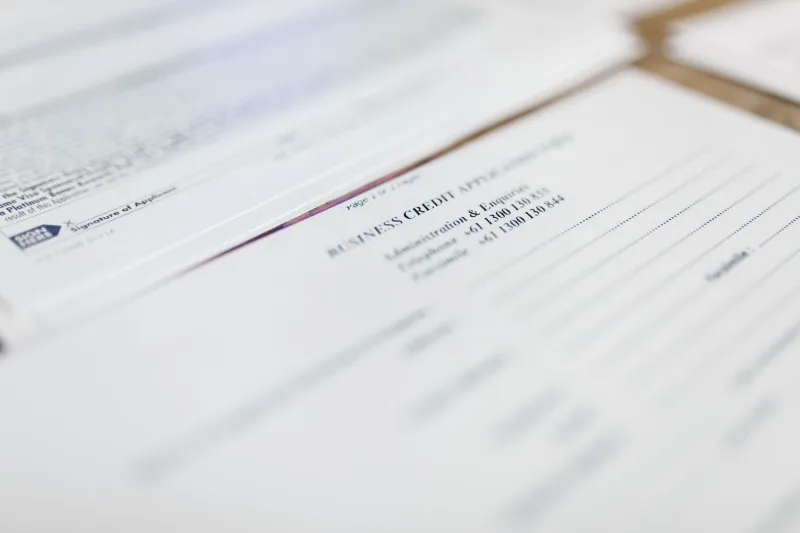
Documentation is what converts a rooftop into a line item on an appraisal. Gather the following before the appraiser arrives:
- Original contract showing equipment cost and specifications
- Utility bills demonstrating production and savings
- Warranty documents for panels, inverters, and workmanship
- Permits and final inspection sign-offs
- Monitoring data covering at least twelve months
Buyers respond to the same evidence. A folder of verified production numbers does more for negotiation leverage than any claim about the technology itself.
Transferring the System Correctly
Transfer logistics differ by arrangement. Owned systems generally require nothing more than recording the new owner's information with the monitoring platform and, where applicable, notifying the manufacturer so warranty coverage continues. Some equipment warranties are transferable only once or within a limited window, so confirm the terms in writing.
For leases and PPAs, the provider runs a formal transfer process that includes a credit check of the incoming buyer and a site walkthrough to verify equipment condition. Budget two to four weeks for this. If the buyer declines assumption, the seller typically must buy out the remaining contract value — a figure worth knowing before you set your listing price, not after you've accepted an offer.
Tax Incentives and Timing
The federal residential clean energy credit belongs to the taxpayer who installed the system, in the year it was placed in service. Selling the house does not transfer any unused credit to the buyer, and a seller who claimed the credit on a system later bought out by a provider may face recapture considerations. Homeowners planning a sale within a few years of installation should consult a tax professional about how the transaction interacts with their prior claims.
Positioning Solar as an Asset
Real estate agents sometimes treat solar as a liability to be minimized. That instinct is backwards for a well-documented owned system. Marketing copy should lead with verified annual savings and remaining warranty life, not with generic claims. During showings, have the monitoring portal open on a tablet so prospective buyers can see real production.
Preparation is the throughline. Homeowners who assemble their paperwork, resolve lien questions, and understand their contract obligations before listing routinely close faster and at stronger prices than those who discover these issues under contract deadlines. Solar should be part of your sale strategy from day one — not a surprise revealed during title review.