The Hidden Bottleneck in Every Solar Project: Understanding Utility Interconnection Approvals and Their Impact on Your Investment
When prospective solar customers research their options, the conversation almost always gravitates toward the same set of variables: panel wattage, inverter technology, warranty terms, and installer credentials. These are legitimate concerns, and evaluating them carefully is a sound practice. However, there is a consequential phase of every solar project that receives far less attention — and it is one that neither the homeowner nor the installer can fully control once it begins.
That phase is utility interconnection approval.
Understanding the interconnection process is not merely useful background knowledge. For any property owner calculating a return on investment, it is a financial imperative.
What Interconnection Approval Actually Means
Before a solar system can export electricity to the grid or, in most cases, even operate in a grid-tied configuration, the local utility company must formally authorize the connection. This approval process — known as interconnection — involves the utility reviewing your system's technical specifications, evaluating potential impacts on the local distribution network, and ultimately issuing a permission to operate, commonly referred to as a PTO letter.
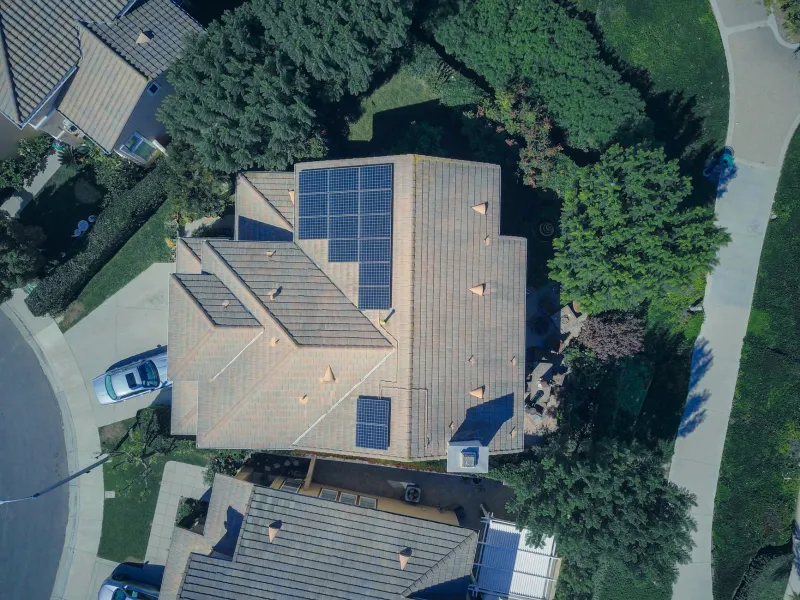
Without that letter, your solar panels may be physically installed, wired, and inspected by the municipality, yet they remain legally inert. The inverter stays off. The meter keeps spinning in one direction. You continue paying full retail rates for electricity while a functional solar array sits idle on your roof.
This is not a hypothetical scenario. It is a routine experience for solar customers across the United States, and it deserves far more attention than it typically receives during the sales process.
Why Timelines Vary So Dramatically Across the Country
The United States does not have a single, standardized interconnection framework. Regulatory oversight is fragmented across state public utility commissions, regional transmission organizations, and individual utility territories. The result is a patchwork of requirements, processing timelines, and technical standards that can differ substantially from one zip code to the next.
In some utility territories — particularly those served by investor-owned utilities operating under state commissions with streamlined interconnection rules — approvals for residential systems below a certain capacity threshold may be processed within two to four weeks. In other jurisdictions, particularly those served by rural electric cooperatives or municipal utilities with less administrative infrastructure, the same application might sit in a queue for three to six months.
California's investor-owned utilities, for instance, have faced persistent backlash over interconnection backlogs, with some customers waiting well beyond the state's mandated timelines. Texas presents a different dynamic, where the ERCOT grid structure and the presence of both regulated and deregulated utility zones creates its own set of procedural complexities. Utilities in the Southeast, many of which have historically been less accommodating of distributed generation, have developed reputations for particularly rigorous technical review requirements.
For commercial and industrial solar projects, which often involve larger system capacities and more complex grid impact studies, timelines can extend even further. Projects requiring a full interconnection study — rather than a simplified review — may not receive final approval for six months to a year or longer.
The Direct Financial Consequence of Approval Delays
Every day a solar system remains offline is a day its financial contribution to your household or business budget equals zero. When a project's payback period is calculated at the point of sale, it assumes the system begins generating revenue or savings on a specific date. Interconnection delays push that date forward, extending the payback period and reducing the net present value of the investment.
Consider a commercial property owner who financed a solar installation expecting to offset a substantial monthly electricity bill beginning in the spring. If interconnection approval is delayed until late summer, the owner has made loan payments for several months on an asset producing no return. Depending on the scale of the system, this gap can represent thousands of dollars in unrealized savings.
There is also the matter of incentive program deadlines. Certain state-level rebate programs, utility incentive structures, and even some federal tax credit timing considerations can be affected by delayed activation. While the federal Investment Tax Credit is generally tied to when the system is placed in service rather than when it is approved, state and utility-level incentives vary considerably in their eligibility windows.
Common Bottlenecks Within the Approval Process
Several recurring factors account for the majority of interconnection delays experienced by residential and commercial solar customers.
Incomplete or inaccurate application submissions are among the most preventable causes of delay. Utilities require specific technical documentation — single-line electrical diagrams, equipment specification sheets, site plans — and applications that arrive with missing or incorrect information are typically returned for correction rather than processed in parallel. Each correction cycle can add weeks to the timeline.
Utility staffing and administrative capacity represent structural constraints that applicants cannot directly influence. Some utilities process interconnection applications with a small team handling a high volume of requests, particularly during periods of strong solar adoption. Queue position becomes the primary determinant of processing time.
Upgrades required to local distribution infrastructure can trigger extended review periods and, in some cases, significant additional costs. If a utility determines that connecting your system requires modifications to a nearby transformer or distribution line, those costs may be passed to the applicant, and the engineering and construction work required adds months to the timeline.
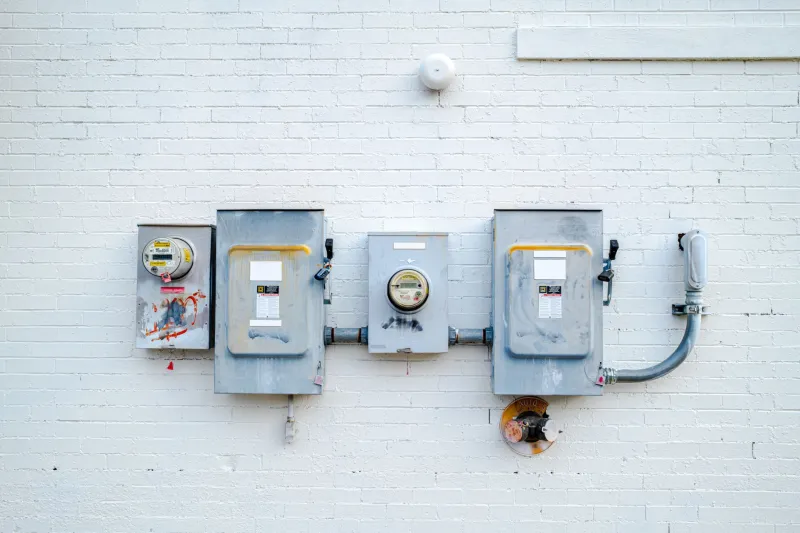
Metering and inspection coordination can also introduce delays, particularly when the utility's meter upgrade schedule does not align with the project's installation completion date.
Strategic Approaches to Accelerating the Process
While applicants cannot compel utilities to act faster, several strategies can meaningfully reduce the risk of unnecessary delays.
Select an installer with documented experience in your specific utility territory. An installer who has processed dozens of applications with your utility understands its specific documentation requirements, formatting preferences, and common rejection reasons. This institutional knowledge can prevent the correction cycles that add weeks to a timeline.
Submit the interconnection application as early as possible in the project lifecycle. Many installers wait until installation is complete before filing the interconnection application. In jurisdictions where processing times are long, filing as early as the utility permits — often upon receipt of a signed contract and system design — can result in approval arriving shortly after installation is finished rather than months later.
Maintain proactive communication with the utility's interconnection department. Politely following up on application status, confirming receipt of documents, and addressing any utility questions promptly can prevent an application from stagnating in a queue due to an unanswered information request.
Consult your state public utility commission's interconnection rules. Most states have codified timelines within which utilities are required to process applications of various complexity levels. Knowing these rules gives you a basis for escalating if a utility is operating outside its regulatory obligations.
Engage a solar project manager or interconnection consultant for complex commercial projects. For large systems requiring full grid impact studies, professional representation during the interconnection process is often worth the investment.
Asking the Right Questions Before You Sign
Before committing to a solar installation, every prospective customer should ask their installer a direct question: What is the typical interconnection timeline with my utility, and what steps will you take to minimize delays?
A qualified installer should be able to provide a candid, specific answer based on recent project history in your utility territory. Vague reassurances that the process is straightforward should prompt further inquiry. The interconnection timeline should be incorporated into the project schedule and ROI projections from the outset, not treated as an afterthought.
Solar energy represents a sound long-term investment for most US homeowners and businesses. Protecting that investment requires understanding not only the technology on your roof, but the regulatory and administrative environment that determines when that technology is allowed to function.