The Tenancy Problem: Why America's Solar Boom Has Left Most of the Country Standing on the Sidewalk
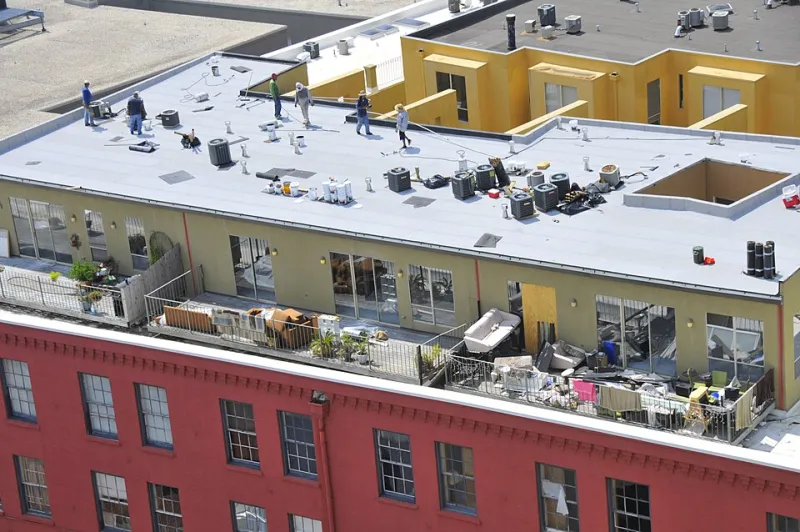
Photo: Department of Homeland Security. Federal Emergency Management Agency. Public Affairs Division. 3/1/2003, Public domain, via Wikimedia Commons
The residential solar industry loves to celebrate its milestones: record installation quarters, plunging module prices, payback periods that keep shrinking. What gets far less airtime is the uncomfortable demographic math underneath the growth curve. Somewhere in the neighborhood of 75 to 78 percent of American households — renters, condominium owners, and residents of homes with unsuitable roofs — cannot participate in rooftop solar in any meaningful way.
That is not a niche excluded. That is the majority, locked out of the single most accessible form of clean energy generation in the country.
Why the Roof You Don't Own Is a Wall
The traditional solar model rests on a simple precondition: control of the rooftop and a long enough tenure to recoup the investment. Renters fail both tests. A tenant who installs a $20,000 system on a landlord's building is making an unsecured gift; a landlord who installs one cannot easily charge tenants for electricity they don't directly bill. Condo owners face a third variant of the problem — shared roofs, divided authority, and governing documents written decades before anyone imagined a photovoltaic array.
The industry has historically treated these households as a future market. The argument here is blunter: they are the market. Rooftop ownership among single-family detached homes is a shrinking share of American housing, not a growing one. Every point of industry growth that depends on that segment is a point borrowed against a smaller tomorrow.
Community Solar: The Right Idea at Insufficient Scale
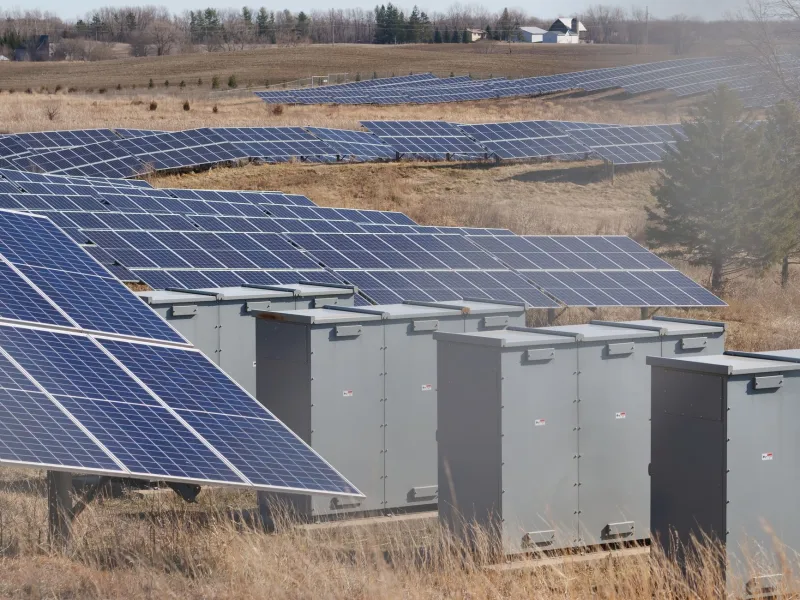
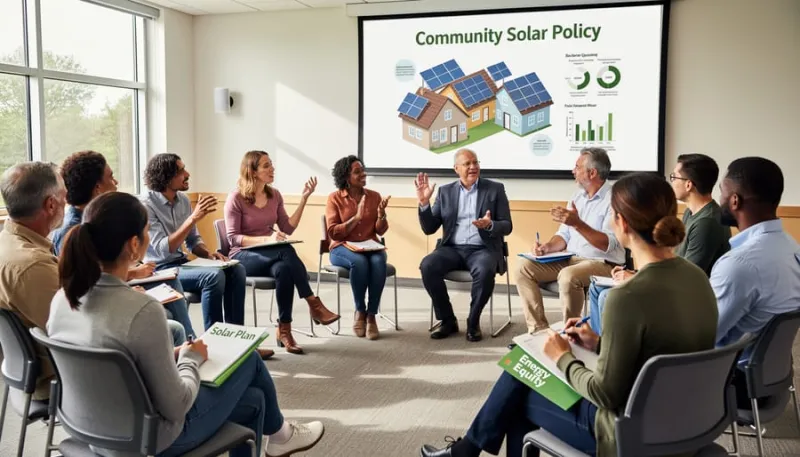
The most promising answer already exists in a handful of states. Community solar — sometimes called solar gardens or shared solar — lets subscribers buy or lease a portion of a large off-site array and receive credits on their utility bill for its output. New York, Minnesota, Massachusetts, and Illinois have built functioning programs; New York alone has connected hundreds of thousands of households, many of them renters.
The catch is geographic. In most of the country, there is simply nothing to subscribe to. Community solar requires enabling legislation, utility cooperation, and program caps that state legislatures must raise. It is a policy product as much as a technology product, and the policy has not kept pace with the panels.
Rethinking the Landlord's Incentive
The other frontier is the landlord-tenant relationship itself. A few structures are beginning to show promise:
- Green lease riders that let landlords recover solar investments through modest rent adjustments tied to documented utility savings
- Third-party ownership models where a developer installs and maintains rooftop systems on multifamily buildings and sells power to tenants at a rate below utility prices
- On-bill financing, in which the repayment travels with the meter rather than the occupant
None of these are exotic. All of them require the industry to sell to building owners with a value proposition — tenant retention, premium rents, regulatory compliance — rather than to homeowners with a payback calculator.
The Battleground Ahead
There is a temptation to frame the access gap as an equity issue alone, and it is one. But the commercial logic is just as compelling. The companies that figure out how to monetize a renter's monthly utility bill — without a rooftop, without ownership, without a 25-year mortgage on the property — will address a customer base several times larger than the one that currently exists.
The panels are solved. The tenancy problem is not. Whichever firms and policymakers solve it first will define the next decade of American solar growth.